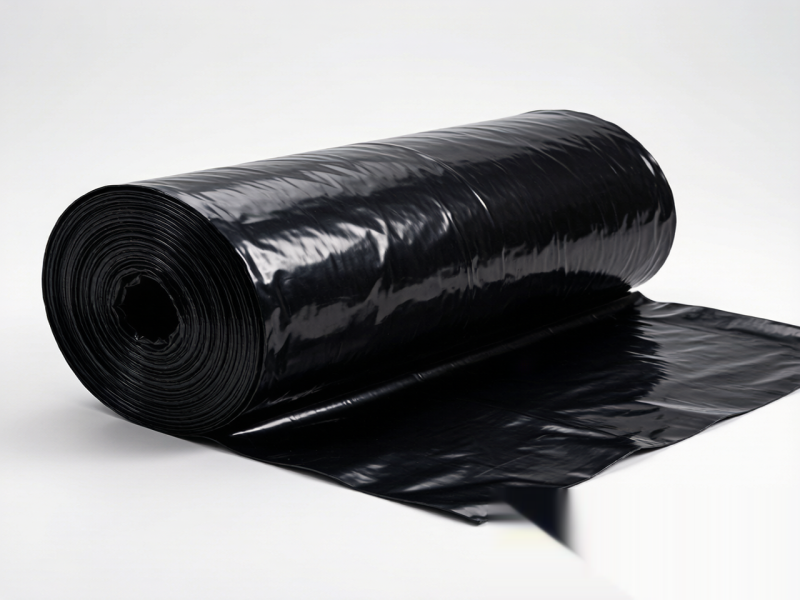
Architectural Membrane Material High Performance Coated Fabric For Tensile Structures Architectural Membrane Material – High-Performance Coated Fabric for Tensile Structures
Product Introduction
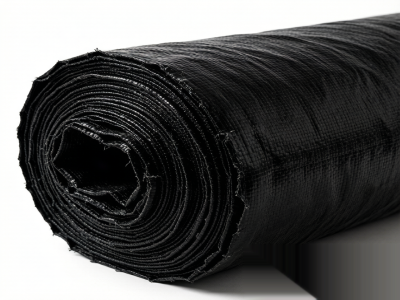
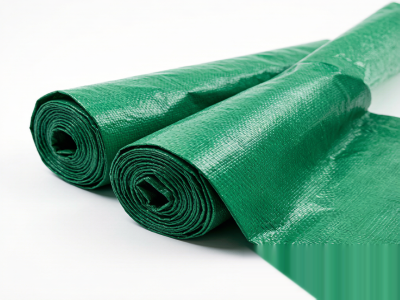
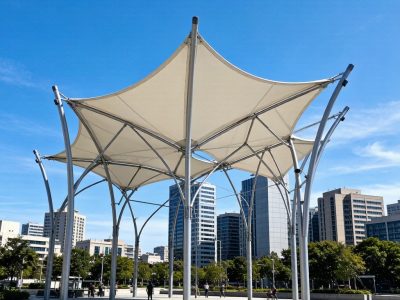
Our architectural membrane material is a premium coated fabric engineered for tensile architecture, offering a balance of strength, durability, and aesthetic appeal. Designed for permanent and semi-permanent structures, this architectural membrane material provides excellent weather resistance, UV stability, and dimensional stability, making it a reliable choice for architects and builders worldwide.
Technical Parameters
- Weight: 750–1500 g/m² (customizable)
- Width: 2.0–3.0 m (customizable)
- Thickness: 0.5–1.5 mm (customizable)
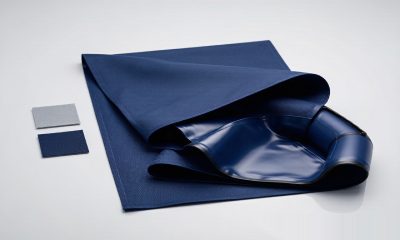
- Color: White, translucent, or custom colors
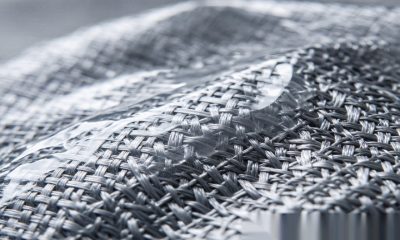
- Material: Polyester base fabric with PVC or PTFE coating
- Tensile Strength: High (warp and weft) – exact values on request
- Tear Strength: High – exact values on request
- Adhesion: Excellent coating-to-fabric bond
- Flame Retardancy: Meets common international standards (e.g., EN 13501, ASTM E84) – certification on request
Parameter Analysis
The performance of architectural membrane material is defined by its weight, tensile strength, and coating type. A heavier fabric (e.g., 1000 g/m²) offers higher load-bearing capacity, suitable for large-span structures. The coating (PVC or PTFE) provides waterproofing, UV resistance, and self-cleaning properties. Tensile and tear strengths are critical for withstanding wind loads and punctures, while flame retardancy ensures safety compliance. Our material is engineered to balance these parameters for optimal performance in diverse climates.
Application Scenarios
This architectural membrane material is ideal for:
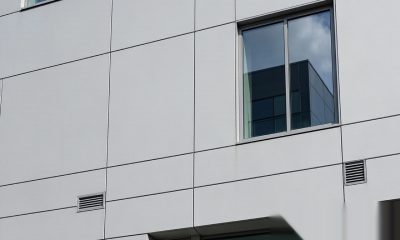
- Tensile facades and roofs
- Stadiums, arenas, and amphitheaters
- Atriums and skylights
- Canopies, walkways, and carports
- Exhibition halls and temporary structures
- Shade structures and pergolas
Installation Guide
Proper installation is crucial for the longevity of architectural membrane material. Follow these general steps:
- Site Preparation: Ensure the supporting structure is level and free of sharp edges.
- Unfolding: Unroll the membrane on a clean, dry surface to avoid dirt or damage.
- Positioning: Use cranes or hoists to lift the membrane into place, aligning pre-drilled holes or edge cables.
- Tensioning: Gradually apply tension to the fabric using turnbuckles or winches, ensuring even stress distribution.
- Fastening: Secure the membrane with clamps, bolts, or welding, per the design specification.
- Inspection: Check for wrinkles, misalignment, or damage before finalizing.
Usage Method
Once installed, the architectural membrane material requires minimal intervention. It is designed to withstand environmental exposure, but avoid sharp objects or concentrated loads on the surface. For temporary structures, follow the recommended assembly and disassembly procedures to prevent creasing or tearing.
Maintenance Advice
- Regular Cleaning: Use mild soap and water with a soft brush or low-pressure washer. Avoid abrasive cleaners.
- Inspection: Periodically check seams, edges, and tension levels, especially after storms.
- Drainage: Ensure water can run off freely; remove debris from gutters or valleys.
- UV Protection: The coating already provides UV resistance; no additional treatment is needed.
Repair Tips
Minor damages can be repaired on-site:
- For small punctures or tears, use a compatible repair patch and adhesive or heat welding.
- For larger damage, consult a professional to replace the affected panel.
- Always clean and dry the area before applying any repair material.
Procurement Advice
When ordering architectural membrane material, provide your project’s structural requirements, including span, load, and environmental conditions. Specify the desired weight, color, and coating type. Request samples for testing and verify compliance with local building codes. We offer custom fabrication and can provide technical support during design.
Packaging List
Each roll of architectural membrane material is packaged with:
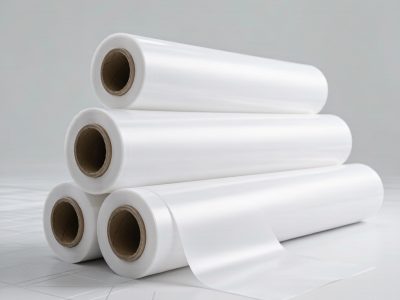
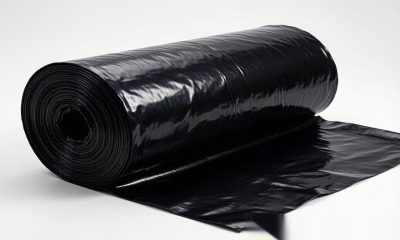
- Protective wrapping (PE film or non-woven fabric)
- Wooden or steel pallet for transport
- Label with product details and batch number
- Installation manual (if requested)
FAQ
Q1: What is the lifespan of this architectural membrane material?
A: With proper maintenance, PVC-coated fabrics typically last 15–20 years, while PTFE-coated fabrics can exceed 30 years. Exact lifespan depends on environmental conditions and usage.
Q2: Can the material be recycled?
A: Yes, many coated fabrics are recyclable. Please contact us for recycling options in your region.
Q3: Is the material resistant to harsh weather?
A: Yes, it is designed to withstand rain, snow, wind, and UV radiation. However, extreme conditions may require additional structural reinforcement.
Q4: Can I get custom colors or printing?
A: Yes, we offer custom colors and can print logos or patterns on the fabric.
Q5: What is the minimum order quantity?
A: MOQ varies by product and customization. Please contact our sales team for details.