PVC mesh conveyor belt
Product Introduction
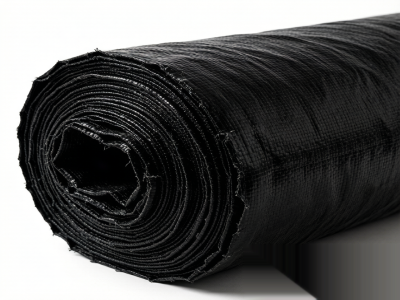
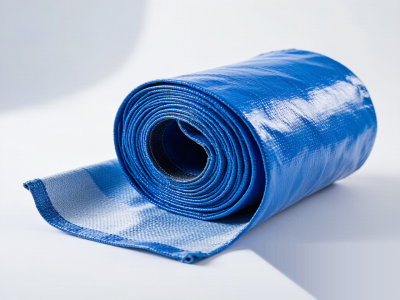
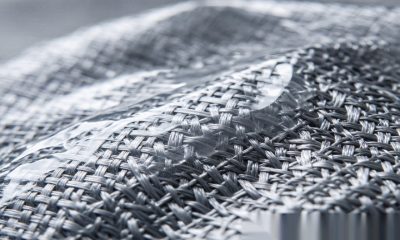
The PVC mesh conveyor belt is a versatile and durable solution for various industrial conveying applications. Constructed with a woven mesh structure and coated with high-quality PVC, this belt offers excellent flexibility, strength, and resistance to abrasion. Its open mesh design allows for efficient air circulation and drainage, making it ideal for drying, cooling, and washing processes. The PVC mesh conveyor belt is designed to meet the demands of modern manufacturing, ensuring reliable performance and long service life.
Technical Parameters
- Weight: Custom (typically 1.5-3.0 kg/m²)
- Width: Custom (up to 4000 mm)
- Thickness: Custom (typically 2-5 mm)
- Color: Green, black, or custom
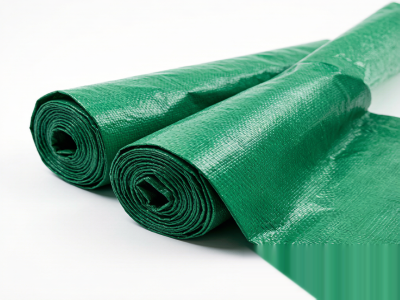
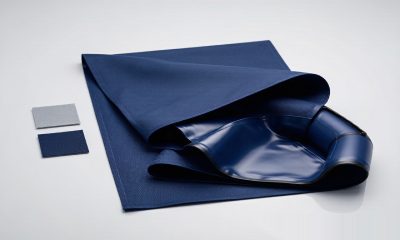
- Material: PVC coated polyester mesh
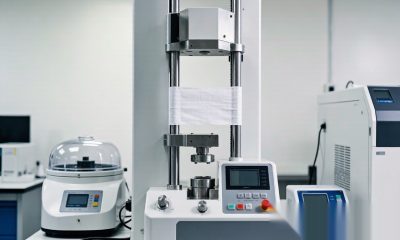
- Tensile Strength: Custom (typically 100-300 N/mm)
- Tear Resistance: Custom (typically 50-150 N)
- Adhesion: Custom (PVC to fabric adhesion > 3 N/mm)
- Flame Resistance: Custom (meets relevant standards)
Parameter Analysis
- Weight: The weight of the belt affects its handling and installation. A lighter belt is easier to install and reduces energy consumption, while a heavier belt may offer more stability.
- Width: The width should match the conveyor system’s requirements to ensure proper material support and tracking.
- Thickness: Thickness influences the belt’s flexibility and load-bearing capacity. Thicker belts are more rigid and suitable for heavy loads, while thinner belts are more flexible for small pulleys.
- Material: PVC coating provides resistance to oils, chemicals, and moisture, while the polyester mesh reinforcement offers high tensile strength and low elongation.
- Tensile Strength: This parameter indicates the maximum pulling force the belt can withstand without breaking. Higher tensile strength ensures durability under heavy loads.
- Tear Resistance: This measures the belt’s ability to resist tearing when punctured or cut. Higher tear resistance extends the belt’s lifespan in abrasive environments.
- Adhesion: The bond between the PVC coating and the mesh fabric is crucial for preventing delamination. Good adhesion ensures the belt remains intact under stress.
- Flame Resistance: For applications in high-risk environments, flame-resistant properties are essential for safety compliance.
Application Scenarios
The PVC mesh conveyor belt is widely used in industries such as food processing, agriculture, logistics, and manufacturing. Common applications include:
- Drying and cooling of food products (e.g., fruits, vegetables, snacks)
- Washing and rinsing lines
- Sorting and packaging operations
- Lightweight material handling (e.g., boxes, cartons)
- Dehydration processes in chemical and pharmaceutical industries
Installation Guide
- Preparation: Ensure the conveyor frame is clean and free of sharp edges. Measure the required belt length and width.
- Belt Positioning: Place the belt over the conveyor rollers, ensuring it is centered and not twisted.
- Joining: If the belt is endless, simply install it. For open-ended belts, use a suitable joining method (e.g., PVC welding, mechanical fasteners) as per manufacturer instructions.
- Tensioning: Adjust the tension to the recommended level to prevent slippage while allowing smooth operation.
- Alignment: Run the belt manually to check tracking and adjust rollers if necessary.
Usage Method
- Operate the conveyor within the recommended temperature range (typically -10°C to +80°C).
- Avoid overloading the belt beyond its rated capacity.
- Ensure materials are evenly distributed to prevent excessive stress on one side.
- Regularly monitor belt speed and tension to maintain optimal performance.
Maintenance Advice
- Clean the belt regularly with mild soap and water to remove debris and product residues.
- Inspect the belt for cuts, tears, or wear; replace if damaged.
- Check and adjust tension periodically to avoid stretching or sagging.
- Lubricate bearings and rollers as per the conveyor manufacturer’s guidelines.
Repair Tips
- For small punctures or cuts, use a PVC repair kit to patch the damaged area.
- For larger damages, consider replacing the belt section or the entire belt.
- Always ensure the repair material is compatible with PVC to maintain integrity.
Procurement Advice
- Specify your exact requirements: width, length, thickness, color, and any special properties (flame retardant, food-grade).
- Choose a reputable manufacturer with quality certifications.
- Request samples for testing before bulk purchase.
- Consider the total cost of ownership, including maintenance and lifespan.
Packaging List
- PVC mesh conveyor belt (as per order)
- Joining materials (if applicable)
- Installation manual
- Quality certificate
FAQ
Q1: Can the PVC mesh conveyor belt be used in food contact applications?
A: Yes, if the belt is manufactured with food-grade PVC and complies with relevant food safety regulations. Please specify this requirement when ordering.
Q2: What is the maximum operating temperature?
A: The typical maximum continuous operating temperature is around 80°C, but this can vary based on the specific formulation. Consult the manufacturer for exact limits.
Q3: How do I choose the right mesh size?
A: The mesh size depends on the product size and the need for air/water flow. Smaller mesh for fine products, larger mesh for bulkier items.
Q4: Can the belt be spliced on-site?
A: Yes, open-ended belts can be spliced using heat welding or mechanical fasteners. Follow the manufacturer’s instructions for best results.
Q5: What is the lead time for custom orders?
A: Lead times vary based on specifications and quantity. Contact our sales team for a quote and delivery schedule.