PVC Warehouse Greenhouse Film
Product Introduction
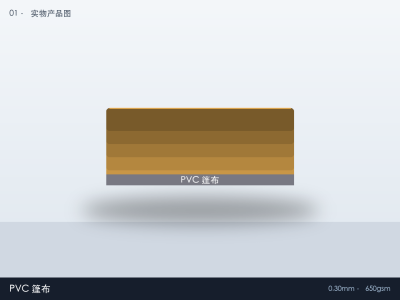
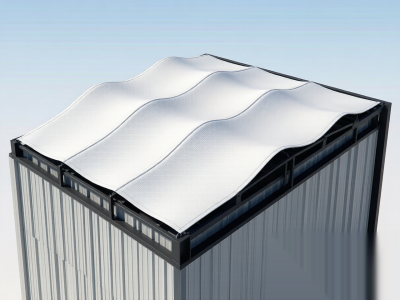
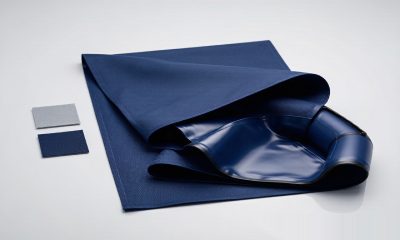
PVC warehouse greenhouse film is a high-performance, multi-purpose covering material designed for agricultural greenhouses, industrial warehouses, and temporary structures. This film combines the durability of PVC with the flexibility needed for easy installation and long-term service. It offers excellent light transmission, weather resistance, and mechanical strength, making it a reliable choice for protecting crops, equipment, and stored goods.
Technical Parameters
The following are typical technical parameters for PVC warehouse greenhouse film. Actual values may vary based on specific formulations and manufacturing processes.
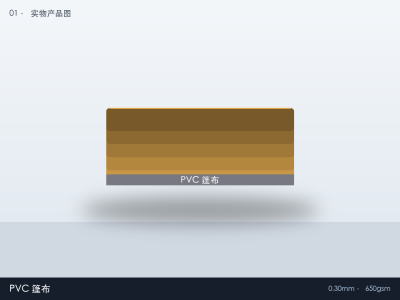
- Weight: 500–1000 g/m² (customizable)
- Width: 2–20 meters (customizable)
- Thickness: 0.2–1.0 mm (customizable)
- Color: Transparent, white, or custom colors
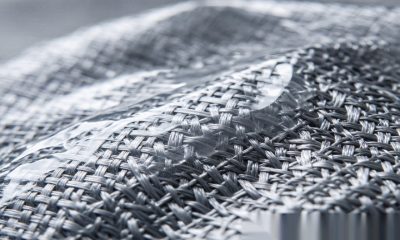
- Material: PVC-coated polyester or PVC film
- Tensile Strength: ≥ 2000 N/5cm (warp and weft)
- Tear Strength: ≥ 250 N (trapezoid method)
- Adhesion: ≥ 50 N/5cm (coating adhesion)
- Flame Retardancy: Meets relevant standards (optional)
Parameter Analysis
- Weight and Thickness: These parameters determine the film’s strength and durability. Heavier and thicker films offer better resistance to tearing and punctures, making them suitable for permanent or high-stress applications.
- Width: Wide-width films reduce the number of seams, minimizing potential leak points and simplifying installation.
- Color: Transparent films maximize light transmission for plant growth, while white or opaque films provide shade and reduce heat buildup.
- Material: PVC-coated polyester provides excellent dimensional stability and resistance to UV degradation, extending the film’s lifespan.
- Tensile and Tear Strength: High values ensure the film can withstand wind loads, snow loads, and mechanical stress during installation and use.
- Adhesion: Strong adhesion between the PVC coating and the base fabric prevents delamination and ensures long-term performance.
- Flame Retardancy: Optional flame-retardant properties enhance safety in warehouse and industrial settings.
Application Scenarios
- Agricultural Greenhouses: Used for covering crop shelters, nurseries, and hydroponic systems.
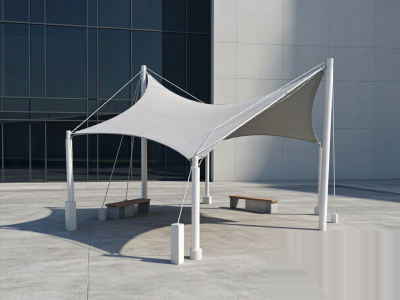
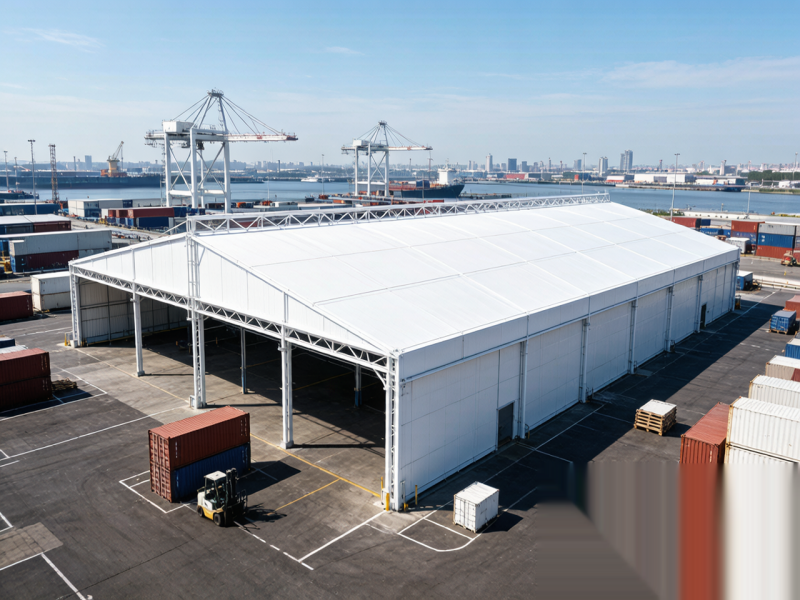
- Industrial Warehouses: Provides temporary or semi-permanent enclosure for storage areas, protecting goods from weather and dust.
- Construction Sites: Used as protective screens or temporary covers for materials and equipment.
- Sports Facilities: Suitable for covering indoor arenas, swimming pools, or event spaces.
- Emergency Shelters: Quick-assembly structures for disaster relief or temporary housing.
Installation Guide
- Site Preparation: Ensure the supporting frame is sturdy and free of sharp edges. Level the ground to avoid stress points.
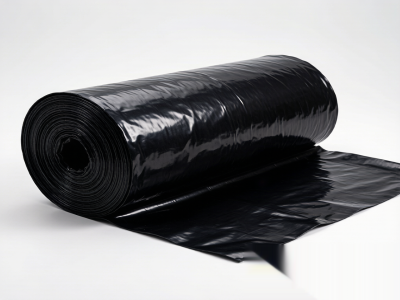
- Unrolling: Carefully unroll the film on a clean, dry surface to avoid dirt or debris that could cause abrasion.
- Positioning: Align the film over the frame, leaving enough overlap for fastening.
- Fastening: Use aluminum profiles, ropes, or straps to secure the film. For large spans, use a tensioning system to ensure a tight fit.
- Sealing: Seal overlaps with heat welding or compatible adhesive tape to create a watertight joint.
- Inspection: Check for any wrinkles or loose areas and adjust tension as needed.
Usage Method
- Ventilation: Provide adequate ventilation to control humidity and temperature inside the greenhouse or warehouse.
- Light Management: For agricultural use, monitor light levels and use shade nets if necessary.
- Load Consideration: Regularly clear snow or debris from the roof to prevent overloading.
- Access: Use appropriate doors or flaps for entry and exit to minimize heat loss or contamination.
Maintenance Advice
- Cleaning: Wash the film periodically with mild soap and water to maintain light transmission. Avoid abrasive tools.
- Inspection: Check for tears, punctures, or loose fastenings every few months, especially after storms.
- UV Protection: If the film is not UV-stabilized, apply a protective coating or use a shade cloth to extend its life.
- Storage: When not in use, store the film in a cool, dry place away from direct sunlight.
Repair Tips
- Small Tears: Clean the area, apply a PVC repair patch with adhesive, and press firmly.
- Large Damages: Use heat welding to join a new piece of film over the damaged area.
- Edge Repair: Reinforce edges with additional PVC tape or hemming to prevent further tearing.
Procurement Advice
- Define Requirements: Determine the required size, thickness, and color based on your application.
- Check Specifications: Ensure the film meets your strength and flame-retardancy needs.
- Request Samples: Ask for a sample to test light transmission and durability.
- Consider Customization: Many manufacturers offer custom widths, colors, and printing.
- Verify Quality: Look for certifications or test reports from the supplier.
Packaging List
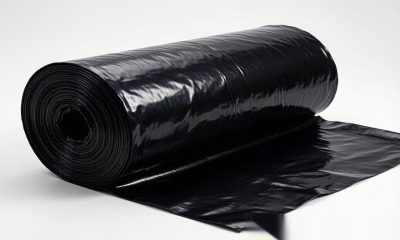
- PVC warehouse greenhouse film (rolled or folded as per order)
- Installation accessories (if ordered): ropes, straps, or profiles
- Repair kit (optional): PVC patches and adhesive
- User manual or installation guide
FAQ
Q1: How long does PVC warehouse greenhouse film last?
A: With proper installation and maintenance, the film can last 5–10 years, depending on UV exposure and weather conditions.
Q2: Can this film be used for a hydroponic greenhouse?
A: Yes, it is suitable for hydroponic systems as it provides good light transmission and protects plants from external elements.
Q3: Is the film flame-retardant?
A: Flame-retardant options are available; please specify this requirement when ordering.
Q4: How do I clean the film without damaging it?
A: Use a soft cloth or sponge with mild soap and water. Avoid using harsh chemicals or high-pressure washers.
Q5: Can I install the film myself?
A: Yes, but for large structures, professional installation is recommended to ensure proper tension and sealing.
—
For more information about our PVC warehouse greenhouse film, contact our sales team.