High Performance Industrial Textiles By Kezhibo New Materials High-Performance Industrial Textiles by Kezhibo New Materials
Product Introduction
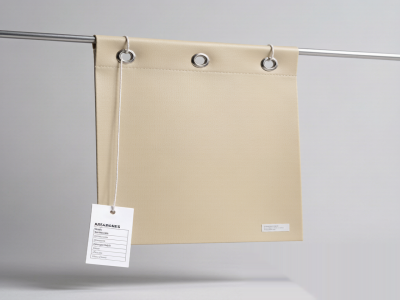
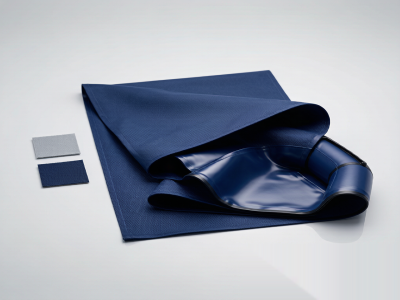
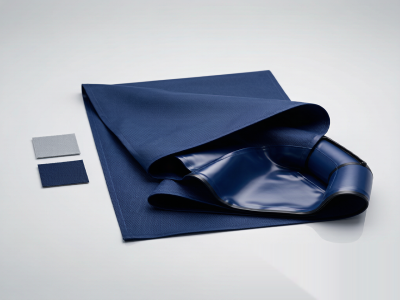
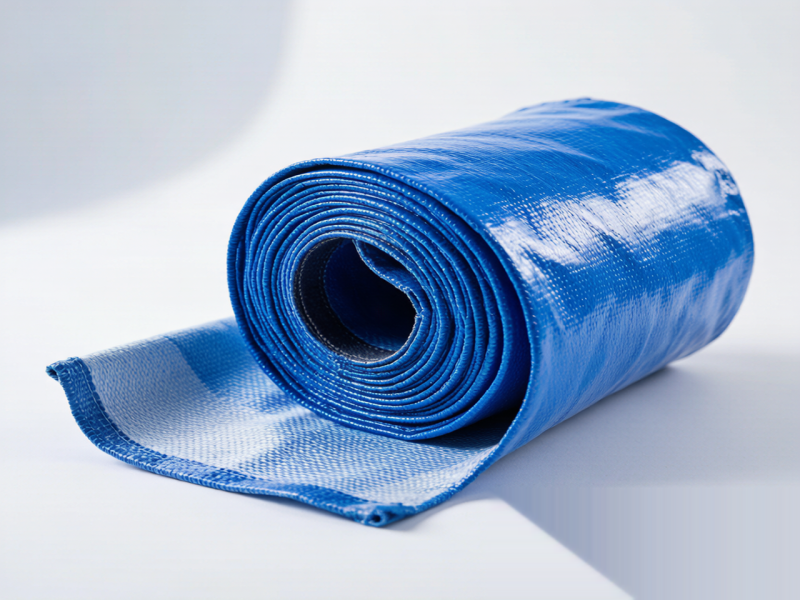
Kezhibo New Materials specializes in the development and manufacturing of advanced industrial textiles. Our industrial textiles are engineered coated and composite fabrics designed to meet the rigorous demands of various industries. With a focus on durability, performance, and reliability, our products are the preferred choice for professionals seeking high-quality material solutions.
Technical Parameters
Our industrial textiles are available with customizable specifications to suit specific application requirements. The standard technical parameters include:
- Weight: Custom (typically ranges from 200 to 2000 g/m²)
- Width: Custom (up to 3 meters)
- Thickness: Custom (0.2 mm to 3 mm)
- Color: Custom (various colors available)
- Material: Coated or composite fabrics (e.g., PVC, PU, PTFE, or other polymers on polyester or nylon base)
- Tensile Strength: Custom (typically 1000 to 5000 N/5cm)
- Tear Strength: Custom (typically 100 to 500 N)
- Adhesion: Custom (coating-to-fabric bond strength)
- Flame Retardancy: Custom (meets various standards such as NFPA 701, UL94, etc.)
Parameter Analysis
The performance of industrial textiles is determined by several key parameters. Weight and thickness affect flexibility and strength, while tensile and tear strength indicate the material’s ability to withstand mechanical stress. Adhesion ensures the coating remains bonded to the base fabric, preventing delamination. Flame retardancy is critical for safety in applications where fire risk exists. Our team works closely with clients to select the optimal parameters for their specific use cases.
Application Scenarios
Industrial textiles are versatile and used in a wide range of applications, including:
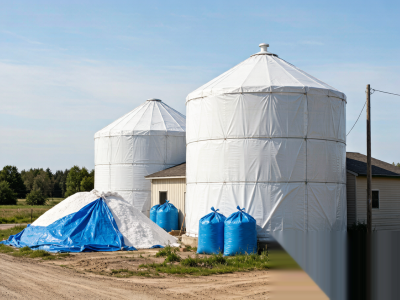
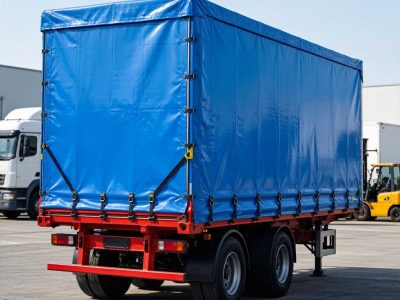
- Tarpaulins and covers for transportation and storage
- Flexible intermediate bulk containers (FIBCs)
- Architectural membranes for tensile structures
- Protective clothing and safety gear
- Conveyor belts and industrial filtration
- Geotextiles for civil engineering
- Automotive interior components
Installation Guide
Proper installation is crucial for the performance of industrial textiles. Follow these general guidelines:
- Surface Preparation: Ensure the installation surface is clean, dry, and free of sharp edges.
- Handling: Use appropriate lifting equipment to avoid damage during installation.
- Fastening: Use recommended fastening methods (e.g., welding, sewing, or mechanical fasteners) as per the application.
- Tensioning: For membrane structures, apply proper tension to avoid wrinkles and ensure structural integrity.
- Inspection: After installation, inspect the material for any damage or misalignment.
Usage Method
To maximize the lifespan of industrial textiles, adhere to the following usage guidelines:
- Avoid overloading beyond the recommended tensile strength.
- Keep the material away from sharp objects and excessive abrasion.
- For outdoor use, ensure the material is UV-stabilized if prolonged sun exposure is expected.
- Follow the manufacturer’s instructions for any specific application.
Maintenance Advice
Regular maintenance extends the service life of industrial textiles:
- Clean the material periodically with mild soap and water; avoid harsh chemicals.
- Inspect for wear, tears, or coating degradation regularly.
- Store in a cool, dry place when not in use, away from direct sunlight.
- For coated fabrics, avoid folding in the same crease repeatedly to prevent cracking.
Repair Tips
Minor damages can be repaired to maintain functionality:
- For small tears, use a compatible repair patch and adhesive/sealing tape.
- For coating delamination, apply a suitable adhesive and press firmly.
- For larger damages, consult the manufacturer or a professional repair service.
- Always ensure the repair area is clean and dry before applying any repair material.
Procurement Advice
When procuring industrial textiles, consider the following:
- Clearly define your application requirements (load, environment, safety standards).
- Request samples to evaluate quality and performance.
- Choose a supplier with a proven track record and technical support.
- Consider the total cost of ownership, including maintenance and replacement.
Packaging List
Each roll of industrial textiles is packaged individually to prevent damage during transit. Standard packaging includes:
- Protective wrapping (e.g., stretch film or kraft paper)
- Edge protection (e.g., cardboard or foam)
- Labeling with product details and batch number
- For large orders, palletization and shrink-wrapping are available.
FAQ
Q1: What materials are used in your industrial textiles?
A1: We use high-strength polyester or nylon base fabrics coated with polymers like PVC, PU, or PTFE, depending on the application.
Q2: Can you customize the specifications?
A2: Yes, we offer customization of weight, width, thickness, color, and performance properties to meet your specific needs.
Q3: Are your industrial textiles flame retardant?
A3: We can provide flame-retardant options that meet various international standards. Please specify your requirement.
Q4: What is the minimum order quantity?
A4: MOQ varies by product and customization. Please contact us for details.
Q5: How do I clean and maintain the fabric?
A5: Use mild soap and water, avoid abrasive cleaners, and store properly when not in use. Refer to our maintenance guide for more details.