Outdoor Protective Material
Product Introduction
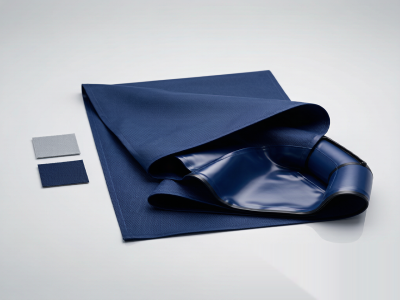
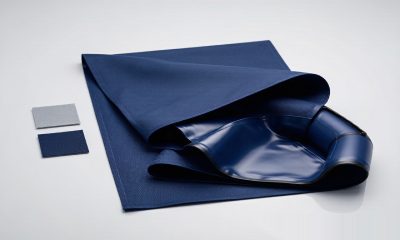
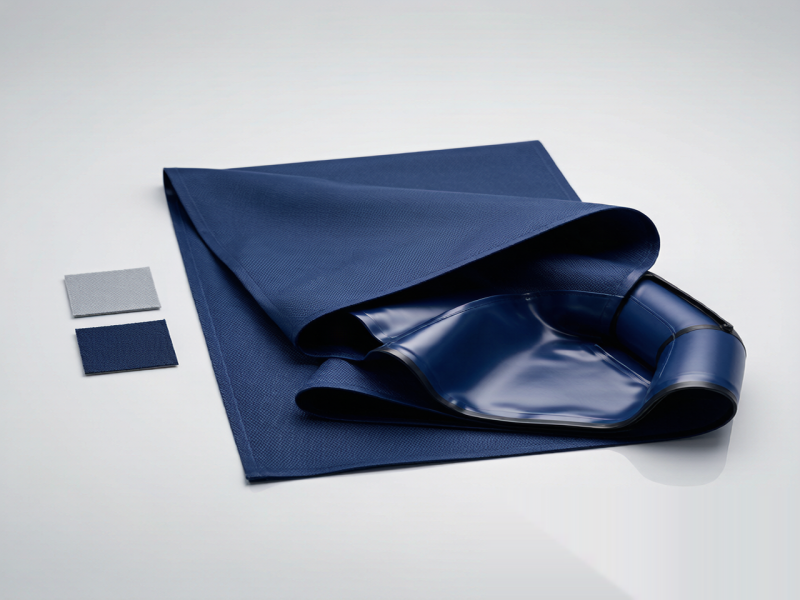
Outdoor protective material is a high-performance fabric engineered to withstand harsh weather conditions, UV exposure, and mechanical wear. Designed for applications such as awnings, tarpaulins, tents, and industrial covers, this material combines strength with flexibility. The Outdoor protective material is available in various weights and finishes to suit different needs.
Technical Parameters
- Weight: 250–1000 g/m² (customizable)
- Width: 1.0–3.0 m
- Thickness: 0.3–1.5 mm
- Color: Custom (standard: black, white, green, blue)
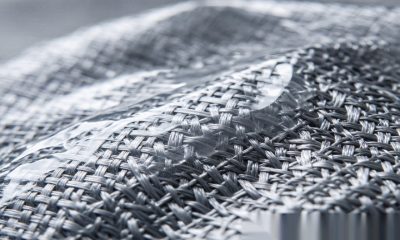
- Material: PVC-coated polyester or similar composite
- Tensile Strength: ≥ 2000 N/5cm (warp and weft)
- Tear Strength: ≥ 250 N
- Adhesion: ≥ 50 N/5cm
- Flame Retardancy: Meets relevant standards (e.g., NFPA 701, DIN 4102 B1)
Parameter Analysis
- Weight and Thickness: Heavier materials offer higher durability and are suitable for permanent structures, while lighter options are easier to handle for temporary covers.
- Tensile and Tear Strength: High values ensure resistance to stretching and tearing under wind load or mechanical stress.
- Adhesion: Strong coating adhesion prevents delamination, extending the material’s lifespan.
- Flame Retardancy: Essential for applications where fire safety is a concern, such as public spaces or industrial sites.
Application Scenarios
- Awnings and Canopies: Provides shade and weather protection for residential and commercial buildings.
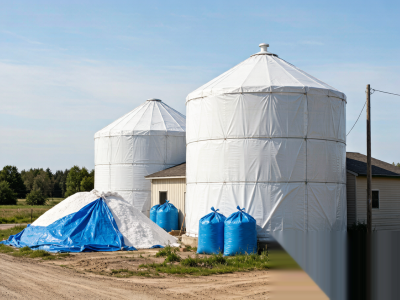
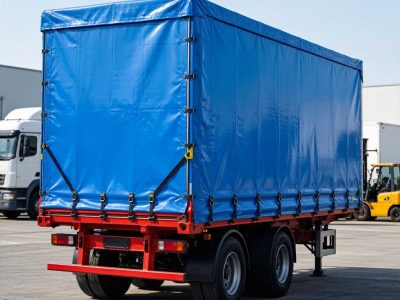
- Tarpaulins and Covers: Protects equipment, vehicles, and construction materials from rain, dust, and sun.
- Tents and Temporary Shelters: Used for camping, events, and emergency relief.
- Agricultural Covers: Shields crops and livestock from extreme weather.
- Industrial Curtains: Divides workspaces and controls dust or temperature.
Installation Guide
- Measure and Cut: Measure the area to be covered, allowing extra material for hemming or fastening.
- Prepare Edges: Fold and sew or weld edges to reinforce and prevent fraying.
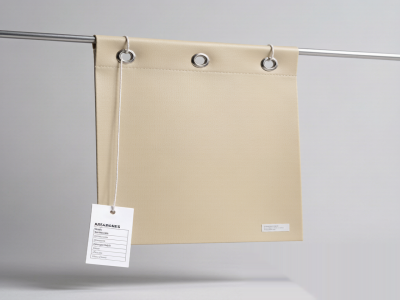
- Install Fasteners: Use grommets, eyelets, or straps at regular intervals for secure attachment.
- Mounting: Fix the material to a frame or structure using ropes, cables, or clips. Ensure proper tension to avoid sagging.
- Check for Smoothness: Smooth out wrinkles to prevent water pooling and wind damage.
Usage Method
- Unfolding: Lay the material flat and allow it to relax before installation.
- Handling: Avoid dragging on rough surfaces to prevent scratches.
- Fastening: Use appropriate hardware to secure the material firmly.
- Adjusting: Re-tension periodically, especially after heavy rain or wind.
Maintenance Advice
- Cleaning: Use mild soap and water with a soft brush. Rinse thoroughly and air dry.
- Inspection: Regularly check for tears, loose seams, or coating wear.
- Storage: When not in use, fold or roll loosely and store in a dry, shaded place.
- Avoid Chemicals: Keep away from harsh solvents or acids that may degrade the coating.
Repair Tips
- Small Tears: Apply a patch of similar material using adhesive or heat welding.
- Seam Separation: Re-stitch or re-weld the seam with appropriate equipment.
- Coating Damage: Use a repair tape or liquid sealant to restore water resistance.
- Professional Help: For major damage, consult a specialist to maintain structural integrity.
Procurement Advice
- Assess Requirements: Determine the needed weight, strength, and flame rating based on application.
- Request Samples: Test samples under your specific conditions before bulk ordering.
- Check Certifications: Ensure the material meets relevant industry standards.
- Consider Customization: Many manufacturers offer custom colors, widths, and coatings.
- Compare Suppliers: Evaluate price, lead time, and after-sales support.
Packaging List
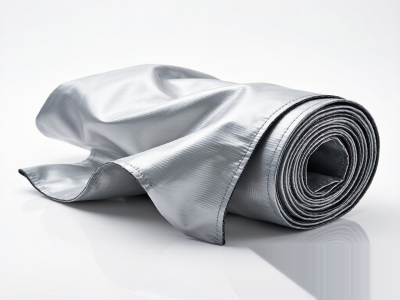
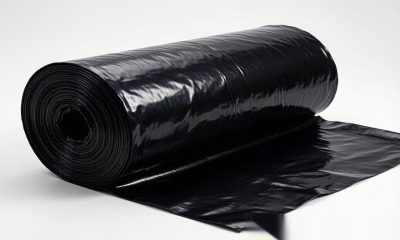
- Rolls: Material is typically supplied in rolls with protective wrapping.
- Labeling: Each roll includes a label with product specifications and batch number.
- Accessories: Depending on order, grommets, ropes, or installation kits may be included.
- Documentation: Technical data sheet and care instructions are provided.
FAQ
Q1: What is the maximum width available?
A: Standard widths range from 1.0 to 3.0 meters, but custom widths can be produced upon request.
Q2: Is this material UV resistant?
A: Yes, the coating provides UV protection, but prolonged exposure may cause gradual fading. Higher-quality materials offer better UV stability.
Q3: Can I print on this material?
A: Yes, the surface is suitable for screen printing or digital printing, making it ideal for advertising banners.
Q4: How do I clean the material?
A: Clean with mild soap and water, avoid abrasive cleaners, and rinse thoroughly.
Q5: What is the typical lifespan?
A: Lifespan depends on usage and environment, but with proper care, it can last several years.