Technical textile manufacturing
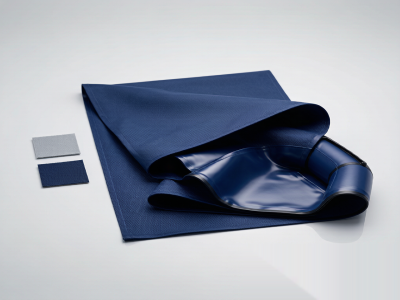
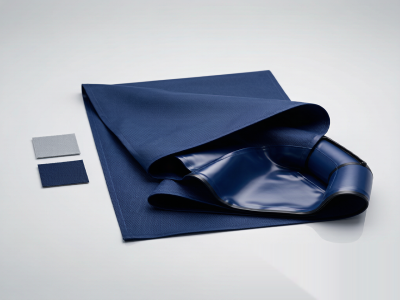
Technical textile manufacturing is a specialized field that produces engineered fabrics with specific functional properties for industrial, medical, protective, and construction applications. At Kezhibo New Materials, we leverage advanced coating and lamination technologies to create high-performance materials that meet rigorous standards.
Product Introduction
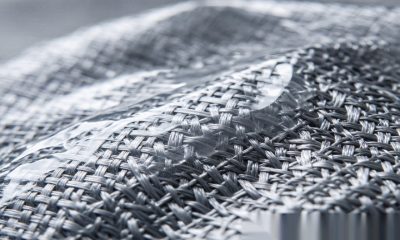
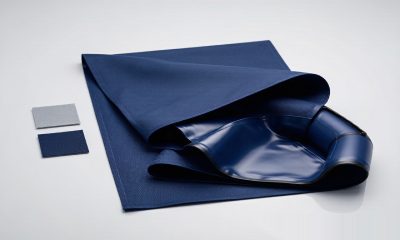
Our technical textile manufacturing process combines high-strength base fabrics with polymer coatings or composite layers to achieve desired characteristics such as durability, resistance to chemicals, water, UV, and flame. These fabrics are designed for long-term performance in harsh environments.
Technical Parameters
The following are typical parameters for our technical textiles. Actual values may vary by specific product and customization.
- Weight: 200–2000 g/m² (customizable)
- Width: 100–300 cm (customizable)
- Thickness: 0.2–3.0 mm
- Color: Custom (standard black, white, or as per request)
- Material: Polyester, nylon, fiberglass, or aramid base with PVC, PU, PTFE, or silicone coating
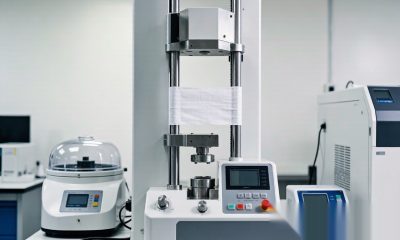
- Tensile Strength: Warp and weft (e.g., 1000–5000 N/5cm)
- Tear Strength: 50–500 N
- Adhesion: Coating-to-fabric bond strength (e.g., 50–200 N/5cm)
- Flame Retardancy: Meets various standards (e.g., NFPA 701, EN 13501, or as specified)
Parameter Analysis
- Weight: Affects handling, strength, and cost. Heavier fabrics offer more durability but are less flexible.
- Tensile Strength: Critical for load-bearing applications like tents, awnings, and conveyor belts.
- Tear Strength: Prevents propagation of tears, essential for high-stress environments.
- Adhesion: Ensures coating remains bonded, preventing delamination.
- Flame Retardancy: Vital for safety in public buildings, transportation, and protective clothing.
Application Scenarios
Technical textile manufacturing serves diverse industries:
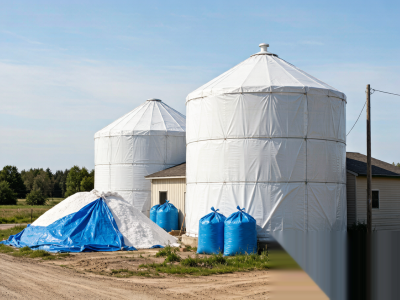
- Architecture: tensile structures, facades, roofing membranes
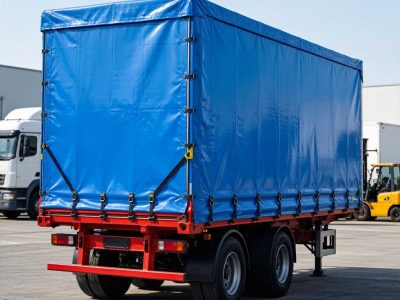
- Transportation: tarpaulins, truck covers, airbags
- Protective Clothing: firefighter gear, chemical suits
- Geotextiles: soil stabilization, drainage
- Medical: surgical gowns, drapes
- Agriculture: greenhouse covers, shade nets
Installation Guide
Proper installation ensures performance. Follow these general steps:
- Inspect the fabric for damage before installation.
- Use appropriate fastening systems (ropes, clamps, welding) as per design.
- Ensure proper tension to avoid wrinkles or stress points.
- Follow manufacturer’s guidelines for welding or seaming.
Usage Method
- Handle with care to avoid punctures or abrasions.
- Use in accordance with specified temperature and chemical exposure limits.
- For coated fabrics, avoid sharp folds that may crack the coating.
Maintenance Advice
- Clean regularly with mild soap and water; avoid harsh solvents.
- Inspect for wear, especially at seams and edges.
- Store in a dry, cool place away from direct sunlight when not in use.
Repair Advice
- Small tears can be patched with compatible adhesive or heat welding.
- For coated fabrics, use repair kits designed for the specific coating type.
- For major damage, consult professional repair services.
Procurement Advice
When sourcing technical textiles, consider:
- Application requirements (strength, flame, chemical resistance)
- Compliance with industry standards
- Customization options (width, color, printing)
- Supplier’s technical support and lead times
Packaging List
Each roll is packaged with:
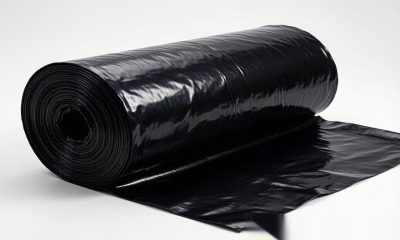
- Protective wrapping to prevent moisture and abrasion
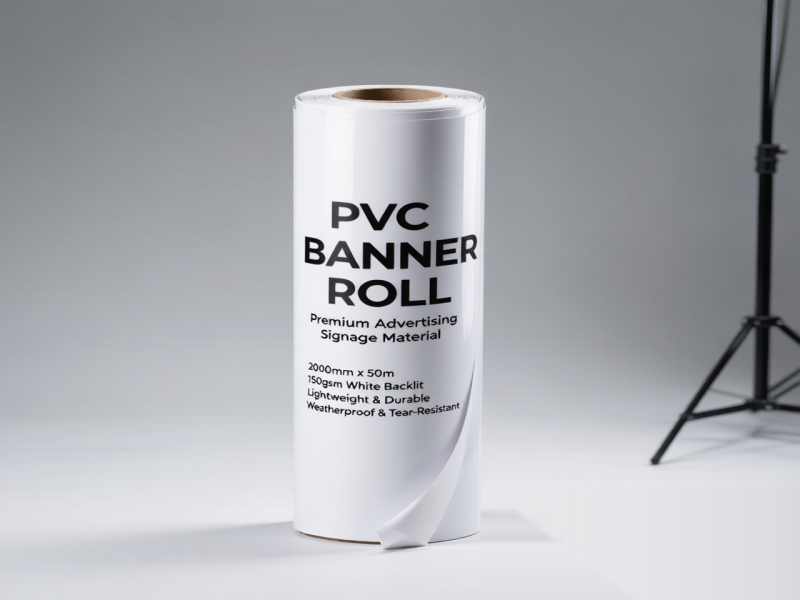
- Core tube for easy handling
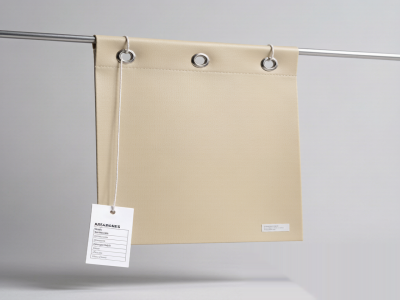
- Label with product specifications and batch number
FAQ
Q1: Can you customize the width and color?
A: Yes, we offer custom widths and colors based on your requirements.
Q2: What is the minimum order quantity?
A: MOQ varies by product; contact us for details.
Q3: Do you provide samples?
A: Yes, we can send samples for evaluation before bulk order.
Q4: How long does production take?
A: Lead time typically ranges from 2 to 6 weeks depending on order size and customization.
Q5: Are your fabrics flame retardant?
A: Many of our products are flame retardant and meet various standards; please specify your requirement.
For more information on technical textile manufacturing, contact our team.