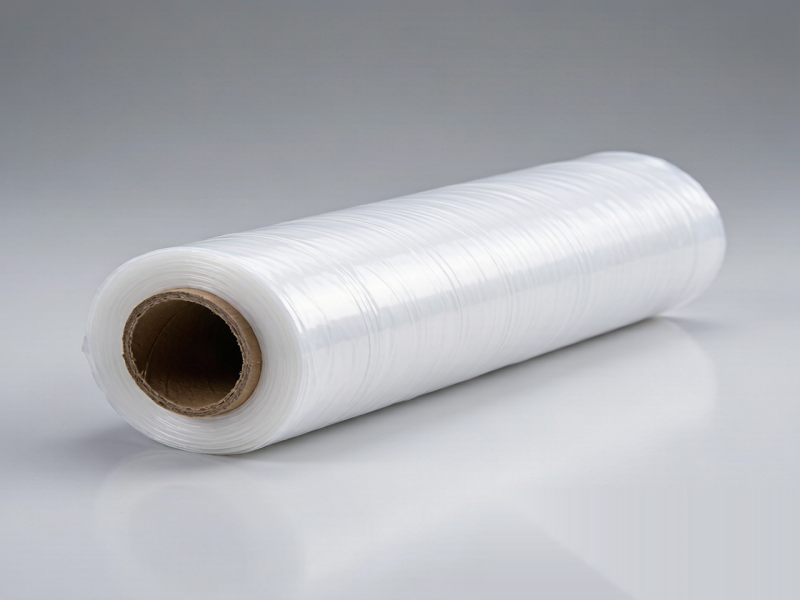
Functional film – Product Overview
Functional film is a high-performance polymer film engineered for demanding industrial environments. It provides reliable surface protection, barrier properties, and enhanced functionality across various applications. This article covers the key aspects of functional film, including technical parameters, application scenarios, and best practices.
Product Introduction
Functional film is a thin, flexible sheet material manufactured from advanced polymers. It is designed to offer specific functional properties such as abrasion resistance, chemical resistance, or optical clarity. The film can be customized in terms of thickness, color, and surface texture to meet diverse requirements. Its lightweight nature and ease of handling make it a preferred choice for many industries.
Technical Parameters
| Parameter | Value |
|———–|——-|
| Weight | Custom |
| Width | Custom |
| Thickness | Custom |
| Color | Custom |
| Material | Polymer |
| Tensile Strength | Custom |
| Tear Resistance | Custom |
| Adhesion | Custom |
| Flame Retardancy | Custom |
Parameter Analysis
The performance of functional film is determined by its physical and mechanical properties. Tensile strength indicates the maximum stress the film can withstand before breaking, which is crucial for load-bearing applications. Tear resistance measures the film’s ability to resist propagation of a cut or tear, important for durability. Adhesion refers to the film’s ability to stick to substrates, which is essential for lamination or bonding. Flame retardancy is a safety feature that reduces the risk of fire spread. These parameters can be tailored to meet specific industry standards.
Application Scenarios
Functional film is used in a wide range of industries:
- Packaging: as protective layers for goods.
- Construction: as moisture barriers or vapor retarders.
- Electronics: as insulating or shielding films.
- Automotive: as surface protection for interior parts.
- Medical: as sterile barriers or protective covers.
Installation Guide
Proper installation is key to maximizing the performance of functional film. Ensure the surface is clean, dry, and free of debris. If the film has an adhesive backing, peel off the release liner and apply gradually, smoothing out air bubbles. For non-adhesive films, use appropriate fastening methods such as mechanical fasteners or welding. Always follow the manufacturer’s guidelines for temperature and humidity conditions during installation.
Usage Method
Functional film can be cut, shaped, or laminated using standard tools. For best results, use sharp blades or dies to avoid tearing. When using the film as a protective layer, ensure it is fully covering the intended area. For applications requiring optical clarity, handle the film with clean gloves to avoid fingerprints. The film can be printed on or coated, depending on the specific type.
Maintenance Advice
Regular inspection is recommended to ensure the film remains in good condition. Clean the surface with mild soap and water, avoiding abrasive cleaners that could scratch the film. If the film is exposed to harsh chemicals or UV radiation, periodic checks for degradation are advised. Replace the film if any signs of wear or damage are observed.
Repair Tips
Minor scratches or punctures can often be repaired using a compatible patch or sealant. For larger damages, it is best to replace the affected section. When repairing, ensure the area is clean and dry before applying any adhesive or patch. For functional film used in critical applications, consult the manufacturer for repair recommendations.
Procurement Advice
When sourcing functional film, consider the following:
- Define the required performance parameters (e.g., thickness, tensile strength).
- Request samples for testing under your specific conditions.
- Verify the supplier’s quality certifications.
- Compare pricing and lead times.
- Ensure the film is compatible with your production processes.
Packaging List
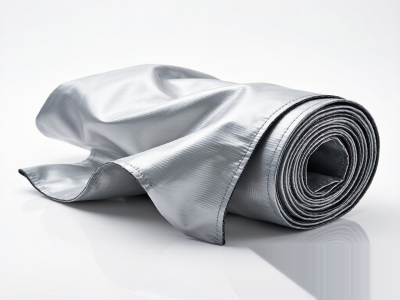
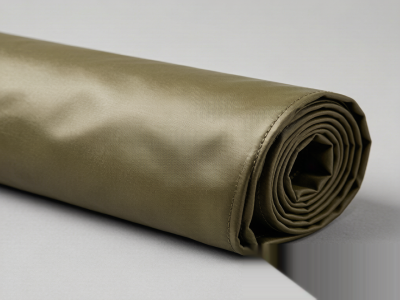
Functional film is typically supplied in rolls, with each roll individually wrapped to protect against dust and moisture. The packaging may include a core, end caps, and a protective outer layer. Each roll is labeled with product specifications and batch number for traceability. For custom sizes, the packaging is adjusted accordingly.
FAQ
Q1: What is functional film?
A1: Functional film is a polymer-based film engineered to provide specific properties like protection, barrier, or optical functions.
Q2: Can functional film be customized?
A2: Yes, functional film can be customized in terms of thickness, width, color, and performance parameters to meet specific requirements.
Q3: How should functional film be stored?
A3: Store in a cool, dry place away from direct sunlight and heat sources. Keep the film in its original packaging until use.
Q4: Is functional film recyclable?
A4: Depending on the polymer type, some functional films are recyclable. Check with your supplier for recycling options.
Q5: What is the typical lead time for ordering functional film?
A5: Lead time varies based on customization and order quantity. Standard products may be available from stock, while custom orders may take several weeks.
Functional film offers a versatile solution for many industrial challenges. By understanding its properties and proper handling, you can maximize its benefits in your applications.