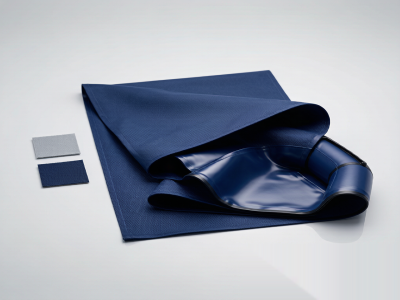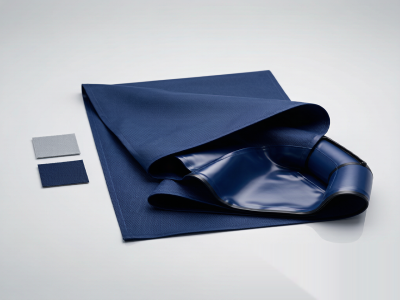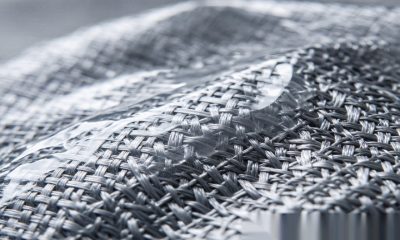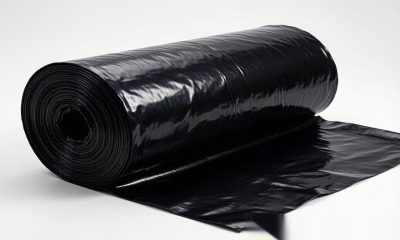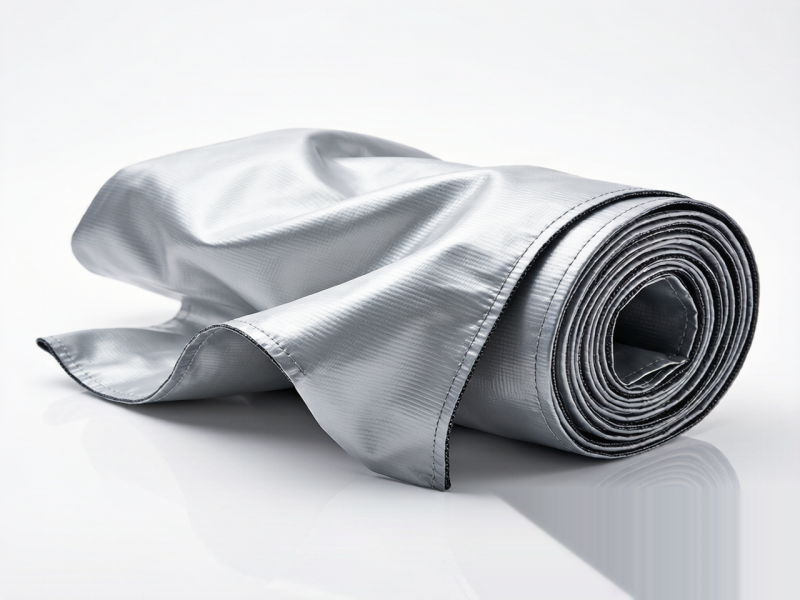
Flexible Composite Material Kezhibo Industrial Fabric Flexible Composite Material – Product Overview
Product Introduction
Kezhibo New Materials presents our high-performance flexible composite material, engineered for a wide range of industrial applications. This material combines the strength of multiple layers with the flexibility required for complex installations. Our flexible composite material is designed to meet rigorous performance standards while offering ease of handling and long service life.
Technical Parameters
- Weight: Custom (typically 500–2000 g/m²)
- Width: Custom (up to 3 meters)
- Thickness: Custom (0.3–2.0 mm)
- Color: Custom (standard black, white, or as specified)
- Material: PVC, TPU, or PE-coated polyester or nylon fabric
- Tensile Strength: Custom (typically 1000–4000 N/5cm)
- Tear Strength: Custom (typically 100–500 N)
- Adhesion: Custom (typically >50 N/5cm)
- Flame Retardancy: Custom (meets various standards, e.g., NFPA 701, EN 13501)
Parameter Analysis
The parameters of our flexible composite material are tailored to specific application needs. Weight and thickness affect handling and durability, while tensile and tear strengths determine load-bearing capacity. Adhesion ensures layer integrity, and flame retardancy provides safety in fire-prone environments. Customization allows optimal performance for each use case.
Application Scenarios
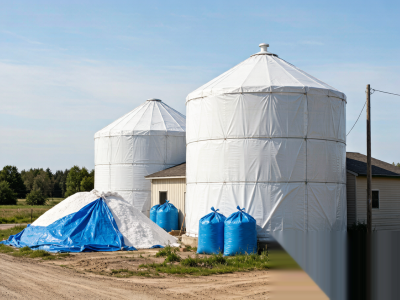
- Tarpaulins and Covers: For trucks, construction, and agriculture.
- Tents and Shelters: Temporary or permanent structures.
- Geomembranes: For environmental and water containment.
- Flexible Ducting: For ventilation and air handling.
- Protective Clothing: For industrial and safety wear.
Installation Guide
- Surface Preparation: Ensure the installation area is clean and free of sharp objects.
- Layout: Unroll the material and allow it to acclimate to the environment.
- Cutting: Use sharp tools to cut to size, leaving extra for seams.
- Seaming: Use heat welding, RF welding, or adhesive bonding as per material type.
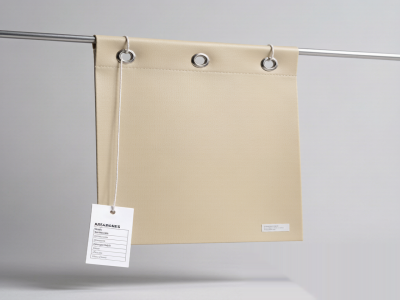
- Fastening: Secure with grommets, ropes, or clamps as needed.
Usage Method
Handle the material with care to avoid punctures. For covers, ensure proper tension to prevent flapping. For containment, verify that all seams are sealed. Follow industry-specific guidelines for each application.
Maintenance Advice
Regularly inspect for wear, punctures, or UV damage. Clean with mild soap and water. Avoid harsh chemicals that may degrade the coating. Store in a cool, dry place when not in use.
Repair Tips
Small punctures can be patched using a compatible adhesive or heat patch. For larger tears, replace the section or use a professional repair service. Always clean the area before applying a patch.
Procurement Advice
When ordering, specify your required dimensions, color, and performance parameters. Request samples for testing. Confirm compliance with relevant industry standards. Consider lead times for custom production.
Packaging List
Each roll is wrapped in protective film and packed in a sturdy carton or on a pallet. Custom lengths and widths are available. Contact us for detailed packaging information.
FAQ
Q: What is the maximum width available?
A: Standard widths up to 3 meters, but custom widths can be produced.
Q: Can the material be made flame retardant?
A: Yes, flame retardant options are available upon request.
Q: What is the typical lead time?
A: Lead time depends on order quantity and customization, typically 2–4 weeks.
Q: How do I clean the material?
A: Use mild soap and water; avoid abrasive cleaners.
Q: Is the material UV resistant?
A: UV resistance can be enhanced with additives; specify your requirement.