Pvc Coated Mesh Fabric Durable And Versatile Industrial Textile PVC Coated Mesh Fabric
Product Introduction
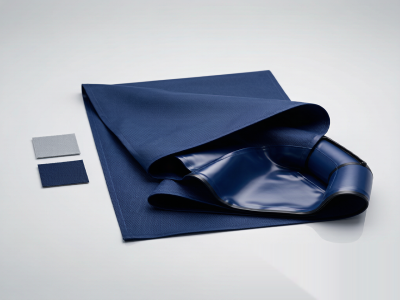
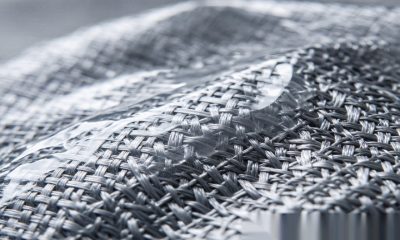
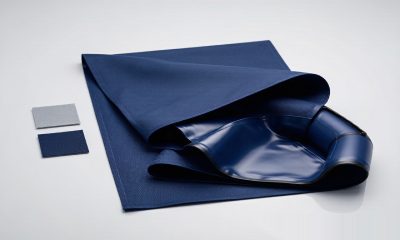
PVC coated mesh fabric is a high-performance industrial textile that combines the strength of a woven mesh base with the protective and functional properties of a polyvinyl chloride (PVC) coating. This material is engineered to deliver excellent durability, weather resistance, and dimensional stability, making it a preferred choice for demanding applications in various industries. The PVC coating enhances the fabric’s resistance to abrasion, chemicals, and UV radiation, while the mesh structure provides breathability and flexibility. Kezhibo New Materials offers this PVC coated mesh fabric in multiple specifications to meet diverse project requirements.
Technical Parameters
While specific parameters can be customized based on application needs, the typical technical specifications for PVC coated mesh fabric include:
- Weight: 300–1000 g/m² (customizable)
- Width: 1.0–3.0 meters (customizable)
- Thickness: 0.3–1.2 mm (customizable)
- Color: Available in a wide range of colors, including black, white, green, blue, and custom colors
- Material: Polyester or nylon mesh base with PVC coating
- Tensile Strength: High, depending on mesh count and coating weight
- Tear Strength: Excellent, due to the reinforcing mesh structure
- Adhesion: Strong bond between coating and mesh, ensuring long-term performance
- Flame Retardancy: Can be treated to meet various flame-retardant standards (e.g., NFPA 701, DIN 4102)
Parameter Analysis
The performance of PVC coated mesh fabric is influenced by several key parameters:
- Weight and Thickness: Heavier and thicker fabrics offer greater strength and durability, but may reduce flexibility and increase cost. Lighter fabrics are more economical and easier to handle, suitable for temporary or less demanding uses.
- Mesh Count and Pattern: The density and weave pattern of the base mesh affect the fabric’s tear resistance, dimensional stability, and appearance. A tighter mesh provides higher strength but may reduce air permeability.
- PVC Coating Quality: The type and thickness of the PVC coating determine the fabric’s resistance to chemicals, UV, and abrasion. High-quality coatings ensure a longer service life and better performance in harsh environments.
- Flame Retardancy: For applications requiring fire safety, the fabric can be formulated with flame-retardant additives to meet specific industry standards.
Application Scenarios
PVC coated mesh fabric is widely used in:
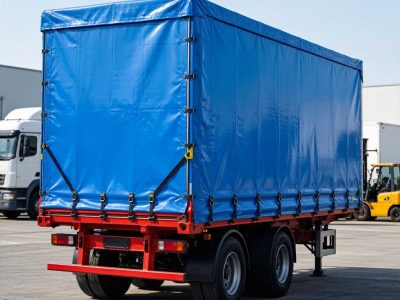
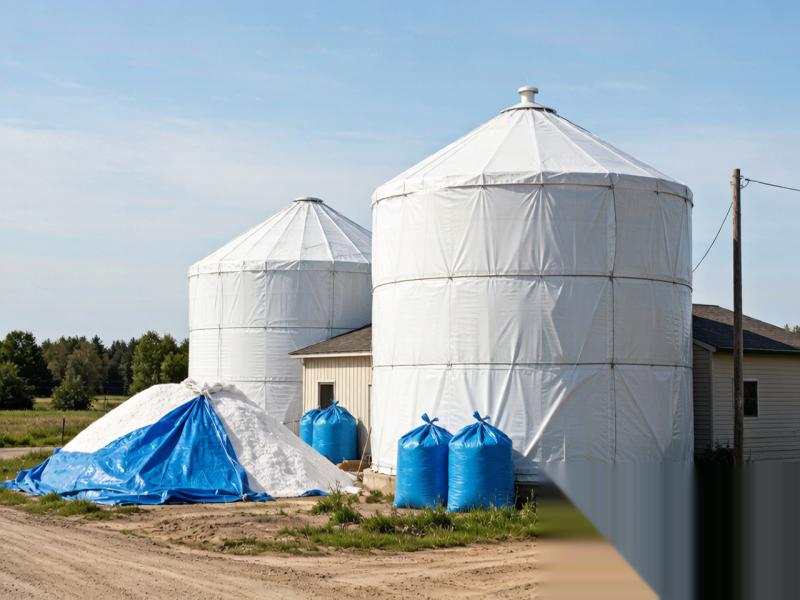
- Tarpaulins and Covers: For trucks, boats, and outdoor equipment, providing protection against weather and debris.
- Tents and Shelters: As roofing or sidewalls for temporary structures, offering durability and weather resistance.
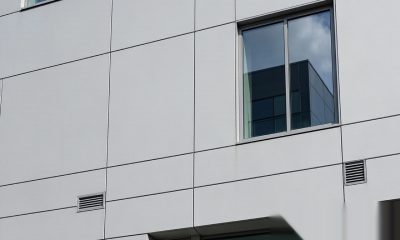
- Fencing and Screens: For construction sites, sports facilities, and privacy screens, combining visibility with strength.
- Agricultural Applications: Shade nets, windbreaks, and crop protection, where breathability and UV resistance are essential.
- Logistics and Storage: As covers for goods in transit or storage, protecting against dust and moisture.
- Advertising and Signage: As flexible substrates for banners and billboards, providing a smooth printing surface.
Installation Guide
Proper installation ensures the longevity and performance of PVC coated mesh fabric:
- Prepare the Area: Ensure the installation site is clean, dry, and free from sharp objects that could damage the fabric.
- Unroll and Lay Out: Carefully unroll the fabric and lay it flat to allow it to relax and conform to the intended shape.
- Cutting: Use sharp scissors or a utility knife to cut the fabric to the desired size, leaving extra allowance for hemming or fastening.
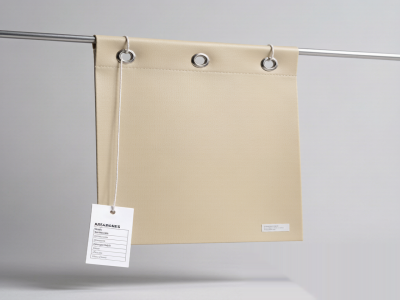
- Fastening: Secure the fabric using appropriate methods such as grommets, ropes, straps, or zippers. Reinforce stress points with additional fabric or webbing.
- Seaming: If joining multiple pieces, use heat welding or high-frequency welding for a strong, waterproof seam. Alternatively, use heavy-duty sewing with UV-resistant thread.
Usage Method
To maximize the service life of PVC coated mesh fabric:
- Handling: Avoid dragging the fabric over rough surfaces to prevent abrasion. Lift and carry when moving.
- Tensioning: When used in tension structures, apply even tension to avoid stress concentrations that can lead to tearing.
- Cleaning: Regularly clean the fabric with mild soap and water. Avoid harsh chemicals or abrasive cleaners that may damage the coating.
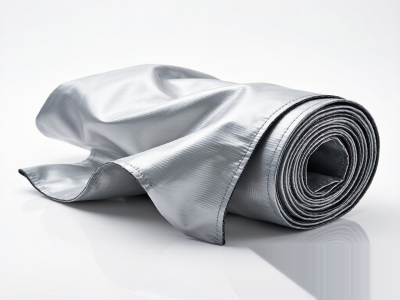
- Storage: When not in use, roll the fabric loosely and store it in a cool, dry place away from direct sunlight and moisture.
Maintenance Advice
- Inspect Regularly: Check for signs of wear, punctures, or coating degradation, especially after extreme weather events.
- Repair Promptly: Address minor damages immediately to prevent them from worsening. Use a PVC repair kit or patch with adhesive.
- Avoid Prolonged UV Exposure: Although PVC coating provides UV resistance, prolonged exposure can still cause fading and embrittlement. Consider using a protective cover when not in use.
- Clean Spills: Remove any chemical spills immediately to prevent staining or degradation of the coating.
Repair Tips
- Small Punctures: Clean the area, apply a PVC adhesive, and press a patch of the same fabric over the puncture. Allow to cure fully.
- Tears: For larger tears, sew a reinforcing patch on both sides using heavy-duty thread, then apply a PVC sealant to the stitches.
- Coating Damage: If the coating is peeling or flaking, apply a liquid PVC repair coating to restore the protective layer.
- Edge Fraying: Use a hot knife to melt the edges and prevent fraying, or apply a binding tape.
Procurement Advice
When purchasing PVC coated mesh fabric, consider the following:
- Define Your Requirements: Determine the required weight, width, color, and any special properties such as flame retardancy or UV resistance.
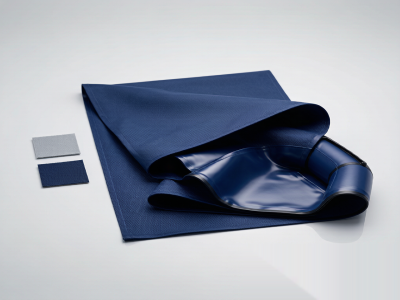
- Request Samples: Obtain samples to evaluate the fabric’s feel, strength, and appearance before placing a bulk order.
- Verify Specifications: Ensure the supplier provides detailed technical data and test reports to confirm the fabric meets your standards.
- Consider Lead Time: Custom orders may require longer production times. Plan accordingly.
- Check Quality Assurance: Choose a manufacturer with a reputation for quality and reliable after-sales support.
Packaging List
Each roll of PVC coated mesh fabric is typically packaged as follows:
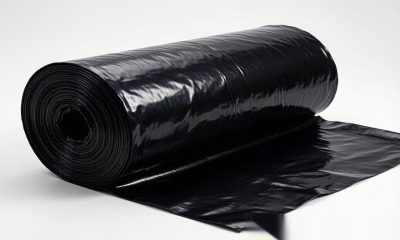
- Roll: The fabric is wound onto a sturdy cardboard or plastic core.
- Protective Wrap: The roll is wrapped in a protective film or kraft paper to prevent damage during transit.
- Labeling: Each roll is labeled with the product name, specifications, batch number, and manufacturer details.
- Packing: Rolls are packed in cartons or on pallets, depending on the quantity and shipping method.
FAQ
Q1: Is PVC coated mesh fabric waterproof?
Yes, the PVC coating provides a waterproof barrier, making the fabric suitable for outdoor covers and tarpaulins.
Q2: Can the fabric be printed on?
Yes, PVC coated mesh fabric can be printed using solvent-based or UV-curable inks, making it ideal for banners and signage.
Q3: How do I clean the fabric?
Use a soft brush or cloth with mild soap and water. Rinse thoroughly and allow to air dry. Avoid using pressure washers or harsh chemicals.
Q4: Does the fabric have UV resistance?
Yes, the PVC coating includes UV stabilizers that protect the fabric from degradation due to sunlight, but prolonged exposure may still cause gradual fading.
Q5: Can the fabric be recycled?
PVC coated materials are not typically recyclable in standard recycling streams. Check with local waste management facilities for disposal options.